
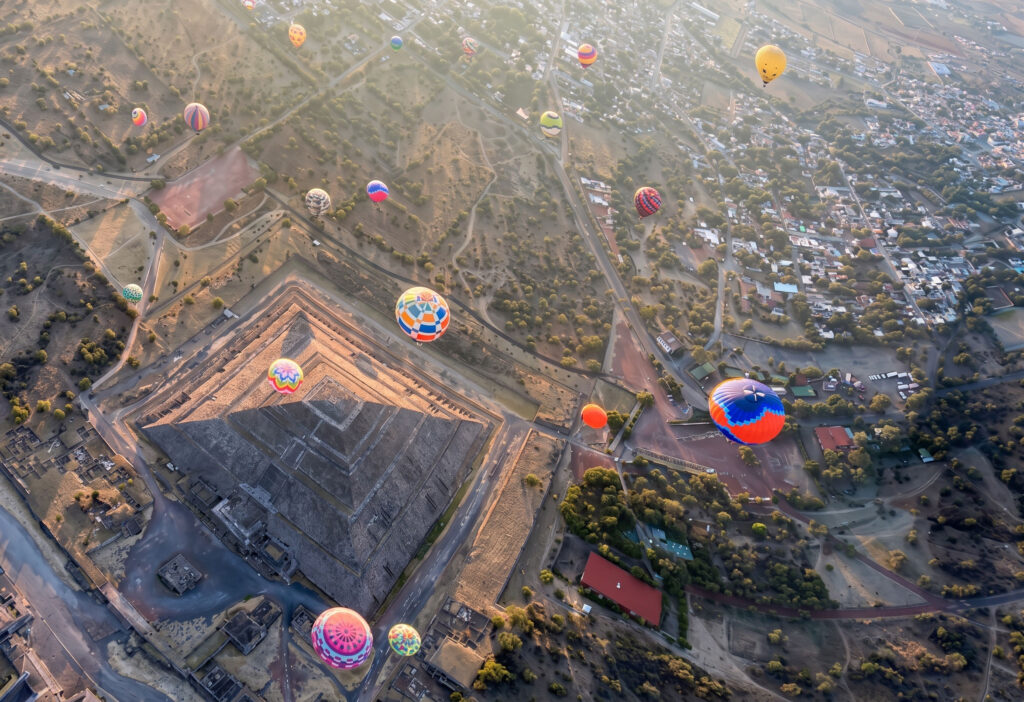
A clear morning can feel like the simplest part of a trip, yet the sky is the one element no balloon operator can control. Hot air balloon flights in Teotihuacan depend on weather conditions because a balloon travels with the surrounding air. Wind direction, wind speed, visibility, temperature and nearby cloud development all influence whether a flight can begin and how the crew can manage the experience responsibly.
For travelers coming from Mexico City, a weather-related delay or reschedule can be disappointing. It can also be evidence that the operator is making a disciplined decision instead of forcing a flight into uncertain conditions. Understanding that process helps you book with realistic expectations and recognize why flexibility is part of a well-organized sunrise experience.
How does weather affect a hot air balloon flight?
A hot air balloon does not steer like an airplane. The pilot manages altitude and uses air currents that may move in different directions at different levels. The launch team therefore evaluates more than the weather shown by a general phone app. They consider current observations, local behavior of the wind, forecast changes and suitable options for launch and landing.
The final decision is operational and local. Conditions can look pleasant to a passenger while still presenting an unsuitable wind direction, a strengthening surface breeze or reduced options for a controlled landing. The opposite can also happen: a cloudy-looking morning may remain operational if the relevant conditions are stable and within the operator’s criteria.
Which weather factors matter most before takeoff?
| Weather factor | Why it matters | What travelers may notice |
| Surface wind | Influences inflation, launch handling and the first stage of the flight. | The crew may wait, reposition equipment or pause inflation. |
| Wind direction and layers | Help the pilot assess the likely route and available landing areas. | The route may differ from photos or previous flights. |
| Visibility and low cloud | Affect situational awareness and the view of the surrounding area. | The team may delay while visibility improves. |
| Temperature and atmospheric stability | Influence balloon performance and how conditions may evolve after sunrise. | Morning timing and passenger loading are handled carefully. |
| Rain or developing storms | Can signal unstable conditions, gusts and rapid changes. | The flight may be postponed or rescheduled before rain reaches the globopuerto. |
Why are sunrise flights usually preferred?
Balloon flights are commonly planned near sunrise because early mornings often offer calmer, more predictable surface conditions than later parts of the day. As the ground warms, rising air and local circulations can become more active. A morning schedule does not guarantee perfect weather, but it gives the operations team a more favorable planning window.
This is also why punctuality matters. The sunrise flight itinerary includes check-in, briefing and preparation before the launch window. Arriving late can reduce the time available to work within the best conditions of the morning.
How does the pilot decide whether the flight can operate?
A responsible go or no-go decision combines forecasts with what the crew observes at the site. The pilot may review aviation weather information, local wind readings, visual conditions and changes during inflation. The team also considers the intended route, possible landing zones and whether the conditions are improving, stable or deteriorating.
Passengers should not expect a single universal number that determines every decision. A wind speed that appears acceptable in isolation may not be appropriate if the direction reduces landing options or if stronger conditions are forecast shortly after takeoff. The complete operational picture matters more than one reading.
A professional weather decision usually includes:
- Checking forecasts before passengers arrive.
- Confirming current wind and visibility at the globopuerto.
- Watching how conditions change during preparation and inflation.
- Evaluating the likely route and practical landing options.
- Delaying, canceling or rescheduling when the margin is not appropriate.
Can the weather change after the forecast looked good?
Yes. Forecasts are planning tools, not promises. Local wind can change during the early-morning transition, and conditions in the Valley of Teotihuacan may differ from a broad forecast for Mexico City or another nearby location. This is why the final confirmation may happen close to the scheduled flight time.
A late decision can feel inconvenient, but waiting for current information is more responsible than confirming too early. Travelers should keep their phone available, follow the operator’s arrival instructions and avoid building an inflexible schedule immediately after the flight.
What happens when conditions are not suitable?
The exact response depends on the operator’s policy and the timing of the weather change. The crew may wait briefly for improvement, postpone the launch within the available window or cancel the flight and offer the applicable next step. Travelers should review the current terms before booking and confirm how rescheduling, transportation and add-on services are handled.
Guests using transportation to Teotihuacan should also verify how pickup and return arrangements work if the flight plan changes. Keeping all parts of the reservation with one organized team can make communication simpler.
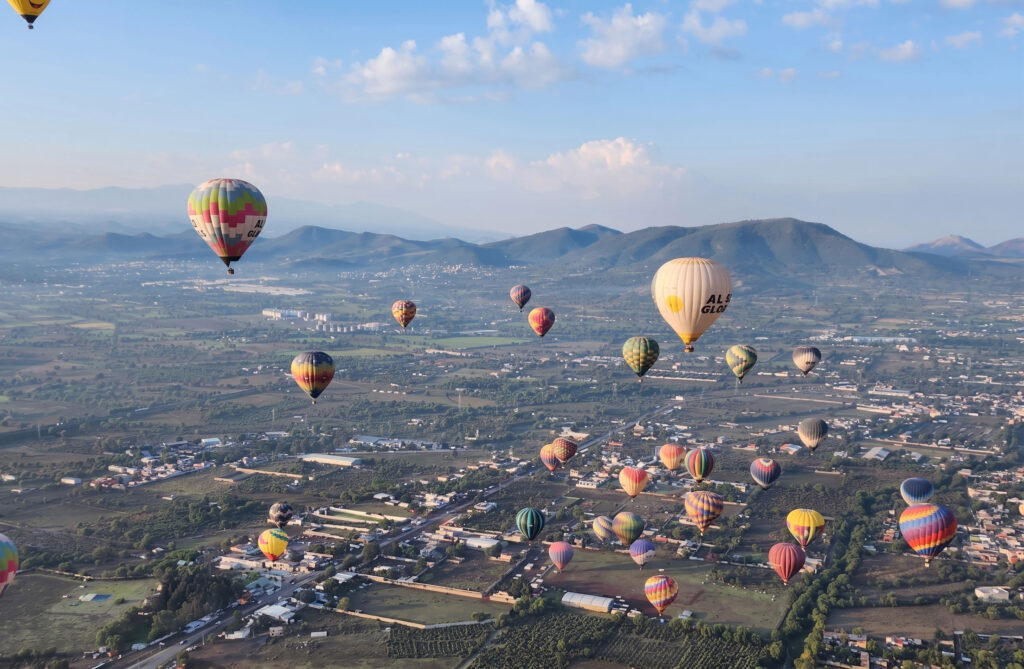
How can travelers plan for weather without losing the experience?
The best approach is to treat flexibility as part of responsible balloon travel. You cannot control the sky, but you can reduce the stress around the decision.
- Choose a date early in your stay instead of the final morning before departure.
- Keep a backup morning available when possible.
- Read the current cancellation and rescheduling terms before paying.
- Use one active contact number for operational messages.
- Avoid scheduling a tightly timed airport transfer immediately after the experience.
- Bring layers for a cool pre-dawn check-in, even when the day is expected to warm.
Why is a weather cancellation a sign of professionalism?
A balloon operator earns trust by protecting the operating margin, not by promising that every reservation will fly. Clear communication, trained pilots, organized ground crews and a formal departure facility help the team evaluate conditions and manage changes without improvisation.
The memorable part of Teotihuacan is not simply leaving the ground. It is enjoying the morning with confidence that the team is making careful decisions before, during and after the flight. When the weather does not cooperate, rescheduling protects the experience you intended to have.
Plan the flight with confidence and flexibility
Weather dependence is not a flaw in ballooning. It is part of how this type of aircraft works. Wind, visibility, atmospheric stability and local conditions shape the route and determine whether the launch window remains suitable.
Before reserving, review the current flight packages, the itinerary and the current weather policy. A well-planned Teotihuacan balloon ride leaves room for nature while keeping communication, logistics and passenger care organized.
FAQ
Yes. Sunshine alone does not confirm suitable balloon conditions. Wind speed, wind direction, visibility, atmospheric changes and landing options can make a flight unsuitable even under a clear sky.
The pilot and operations team make the final decision using forecasts, current site observations and the practical conditions for launch, navigation and landing. Passenger preference should not override that assessment.
Operators monitor weather before the scheduled date, but the most reliable decision may be made close to departure because local conditions can change. Keep your contact information current and follow the operator’s confirmation process.
Not always. A team may wait briefly if conditions are expected to improve within the safe operating window. The available time, wind trend and logistics of the morning determine whether a delayed launch remains practical.
Follow the policy provided with your reservation, confirm a new date as soon as possible and verify any transportation or add-on arrangements. Booking earlier in your trip gives you more flexibility.
No. Sunrise is often preferred because early-morning conditions can be calmer and more predictable, but no time of day guarantees suitable weather. The crew must evaluate every flight individually.
A free-flying balloon moves with the wind. The pilot manages altitude to use available air currents, but the exact route and landing area vary with the conditions of the day.
Be cautious with absolute promises. A responsible operator explains that weather affects balloon flights, provides clear policies and is prepared to postpone or reschedule when conditions are not appropriate.