
La pregunta de dónde se ven mejor las pirámides desde un globo en Teotihuacán no tiene una respuesta basada en un punto fijo. La The best views from a Teotihuacan hot air balloon ride are not limited to one monument or one perfect photograph. The experience unfolds in layers: the first color on the horizon, the geometry of the ancient city becoming visible, nearby balloons drifting through the morning light, and the wider valley stretching toward the mountains. Because every flight follows real wind conditions, no responsible operator can promise one exact route or viewing angle. That uncertainty is part of what makes each sunrise flight feel personal.
For international visitors comparing a Teotihuacan balloon ride with other day-trip experiences from Mexico City, the visual value comes from scale. From the air, roads, cultivated fields, villages and monumental architecture connect into one broad scene. A camera can preserve pieces of it, but the strongest impression usually comes from watching the light change in real time.
What views make a Teotihuacan balloon flight especially memorable?
The most memorable views usually combine several elements rather than a single landmark. Travelers often remember the contrast between the dark pre-dawn valley and the first warm light, the long lines of the archaeological landscape, the silhouettes of the Pyramid of the Sun and Pyramid of the Moon in the distance, and the sight of other balloons adding depth and movement.
For broader context, see Teotihuacan from above
How does sunrise change what you can see?
Sunrise changes the valley quickly. Before the sun appears, the scene can look cool, quiet and almost monochromatic. As the horizon brightens, textures become easier to see and shadows begin to define the terrain. A few minutes later, warmer light can soften the view and create more separation between the foreground, the archaeological area and the mountains beyond.
This progression matters for photography. The strongest image may not happen at the exact moment the sun crosses the horizon. It may happen earlier, when the sky still holds deep color, or later, when side light reveals texture. Keeping the camera ready throughout the ascent gives you more chances to capture a balanced scene.
Which visual moments are worth watching for?
• The first clear outline of the Pyramid of the Sun as the valley brightens.
• The relationship between the Pyramid of the Moon, the Avenue of the Dead and the surrounding landscape.
• Other balloons at different distances, which help communicate scale.
• Long shadows across fields, roads and low hills during the early light.
• Wide valley views that connect Teotihuacan with nearby communities and mountain silhouettes.
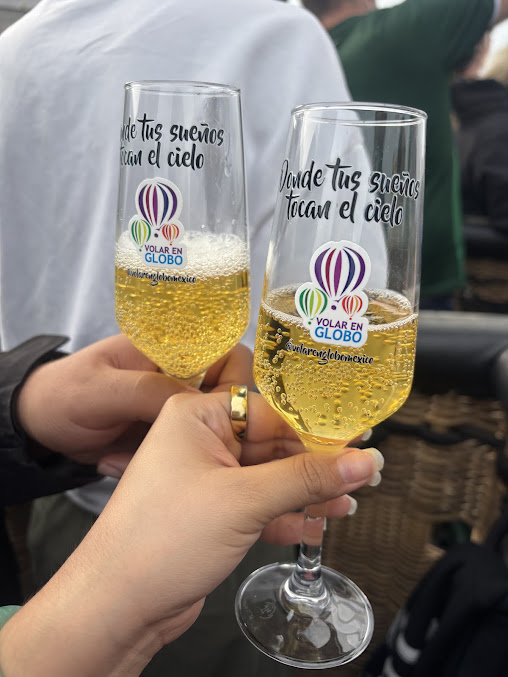
• Quiet details inside the basket, including hands, faces and reflections that tell the human side of the experience.
How do the views change during the flight?
| Flight moment | Typical visual character | Best photo approach | What to remember |
| Before sunrise | Cool tones, silhouettes and a brightening horizon | Use a steady grip and avoid excessive digital zoom | Low light may require patience |
| Initial ascent | Expanding view of the globopuerto, fields and nearby balloons | Capture wide scenes and contextual details | Perspective changes quickly |
| Early sunlight | Warmer color, stronger depth and long shadows | Look for side light and layered compositions | Dramatic light may last only minutes |
| Cruising phase | Broader valley views and changing monument angles | Alternate landscape and portrait orientation | The route depends on wind |
| Approach to landing | Closer views of rural textures and roads | Photograph selectively and follow crew instructions | Safety preparation comes first |
Can you predict the exact view of the pyramids?
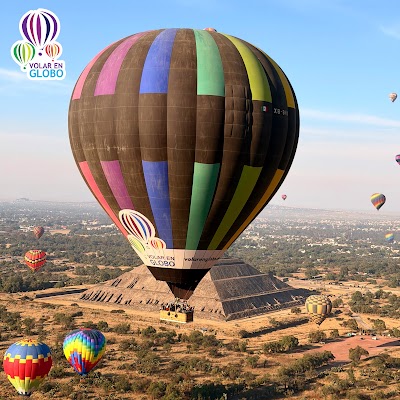
No. A hot air balloon moves with the wind, and the pilot manages altitude, safety and landing options rather than following a fixed aerial road. The position of the balloon in relation to the archaeological area can vary from one morning to another. Visibility can also change with haze, clouds and seasonal conditions.
A professional operator should explain this clearly. The goal is not to sell an unrealistic promise about one exact photograph. The goal is to provide a well-organized flight in which the valley, sunrise and historic landscape can be appreciated under the conditions available that morning.
What is the best way to photograph the landscape from a balloon?
Good balloon photography is more about preparation and observation than expensive equipment. A modern phone can produce excellent images when the lens is clean, the exposure is controlled and the photographer avoids rushing.
1. Clean your lens before boarding.
2. Turn off the flash.
3. Use the grid to keep the horizon level.
4. Take wide images before zooming in.
5. Lower exposure slightly when the sky is very bright.
6. Include part of the basket or another passenger in selected frames.
7. Keep phones and cameras secured and follow crew instructions.
Should you focus only on the pyramids?
No. The ancient monuments are important visual anchors, but the strongest photo story includes the broader setting. Fields, village streets, mountains, neighboring balloons and changing light explain where the flight takes place. A varied set of images will usually feel more complete than dozens of nearly identical zoomed photographs.
Why do other balloons improve the view?
Other balloons help the eye understand distance and scale. A colorful envelope against the sunrise can become a strong focal point, while smaller balloons farther away create depth. They also communicate the shared rhythm of the morning without taking away from the personal experience inside your own basket.
How can you prepare for the visual experience before the flight?
Preparation reduces distraction. Review what a Teotihuacan hot air balloon ride is like
Also review travel planning around your flight
Charge your phone, free enough storage space, reduce unnecessary equipment and dress in layers. The best visual moments can pass while someone is searching for a battery, changing a lens or managing a large bag.
What makes the aerial perspective culturally meaningful?
Teotihuacan is recognized as a major pre-Hispanic urban center and a UNESCO World Heritage property. From an elevated perspective, travelers can better appreciate that the famous pyramids belong to a much larger planned landscape. The view encourages a shift from seeing isolated monuments to recognizing the scale and organization of an ancient city.
This perspective should be approached with respect. The archaeological zone is cultural heritage, not only a backdrop. Learning a little about the site before the flight adds meaning to the shapes and alignments visible in the morning landscape.
How should you choose a flight when views matter to you?
Choose an operator that communicates honestly about weather, flight paths and visibility. Ask how early you should arrive, what photography equipment is permitted, how personal items must be secured and what happens when conditions do not support a safe flight. Clear answers are a better sign than a guarantee of one exact route or image.
Review the official hot air balloon packages in Teotihuacan
Frequently asked questions about views and photos
There is no single best view. Many travelers value the combination of sunrise light, the silhouettes of the Pyramid of the Sun and Pyramid of the Moon, the wider valley and other balloons moving through the scene.
No. Hot air balloons move with the wind, so the route and viewing angles vary. The pilot manages altitude and safe landing options according to the conditions of that morning.
You may be able to photograph the archaeological landscape and its major monuments from different angles, depending on visibility and the flight path. No exact position or distance should be guaranteed in advance.
Yes. A recent phone can capture strong sunrise images when the lens is clean, the horizon is level and exposure is adjusted for the bright sky. Keeping the device secured is essential.
A camera can provide more creative control, but it should be compact, secured and easy to handle. Confirm operator rules before bringing large lenses, tripods or additional bags.
Haze and clouds can reduce distant visibility, but they may also create soft light and atmospheric photographs. Flight operations still depend on safety conditions, not on photographic preference.
No responsible operator should guarantee one exact alignment. Wind, altitude, visibility and the changing position of the balloon determine the background available at any moment.
Set aside at least a few minutes during the calm cruising phase to put the camera down. The scale, silence and movement of the valley are difficult to experience fully through a screen.